Custom Automation Systems
If your process is unique, your automation should be too.
Special purpose automation for operations that no standard machine addresses — studied, engineered, built, integrated and commissioned as a complete working system.
- Study 01
- Concept 02
- Design 03
- Build 04
- Integrate 05
- Commission 06
- Support 07
The challenge
When a standard machine does not fit.
Many plant operations are specific to the product, the layout or the way the plant runs. Forcing a standard machine into them creates a second problem.
- The operation combines handling, assembly, inspection and transfer
- Product formats or plant constraints fall outside standard equipment
- Available footprint dictates an unconventional layout
- Existing machines must be retained and integrated, not replaced
- Throughput and quality requirements sit between manual and full automation
The solution
A system engineered from your process outward.
We begin with the process, define the automation concept against the real constraint, and take responsibility through build, integration and commissioning.
- Process study on site with cycle-time and flow observation
- Concept development with layout options and trade-offs stated openly
- Mechanical, electrical, controls and safety design under one team
- In-house manufacture, assembly and pre-dispatch testing
- Site installation, integration, commissioning and support
How the system works
The custom automation project path
- Understand the process 01
- Study the bottleneck 02
- Develop the automation concept 03
- Design the system 04
- Manufacture and integrate 05
- Commission at site 06
- Support and optimize 07
System components
What the engineered system includes.
Mechanical assemblies
Robotics & motion
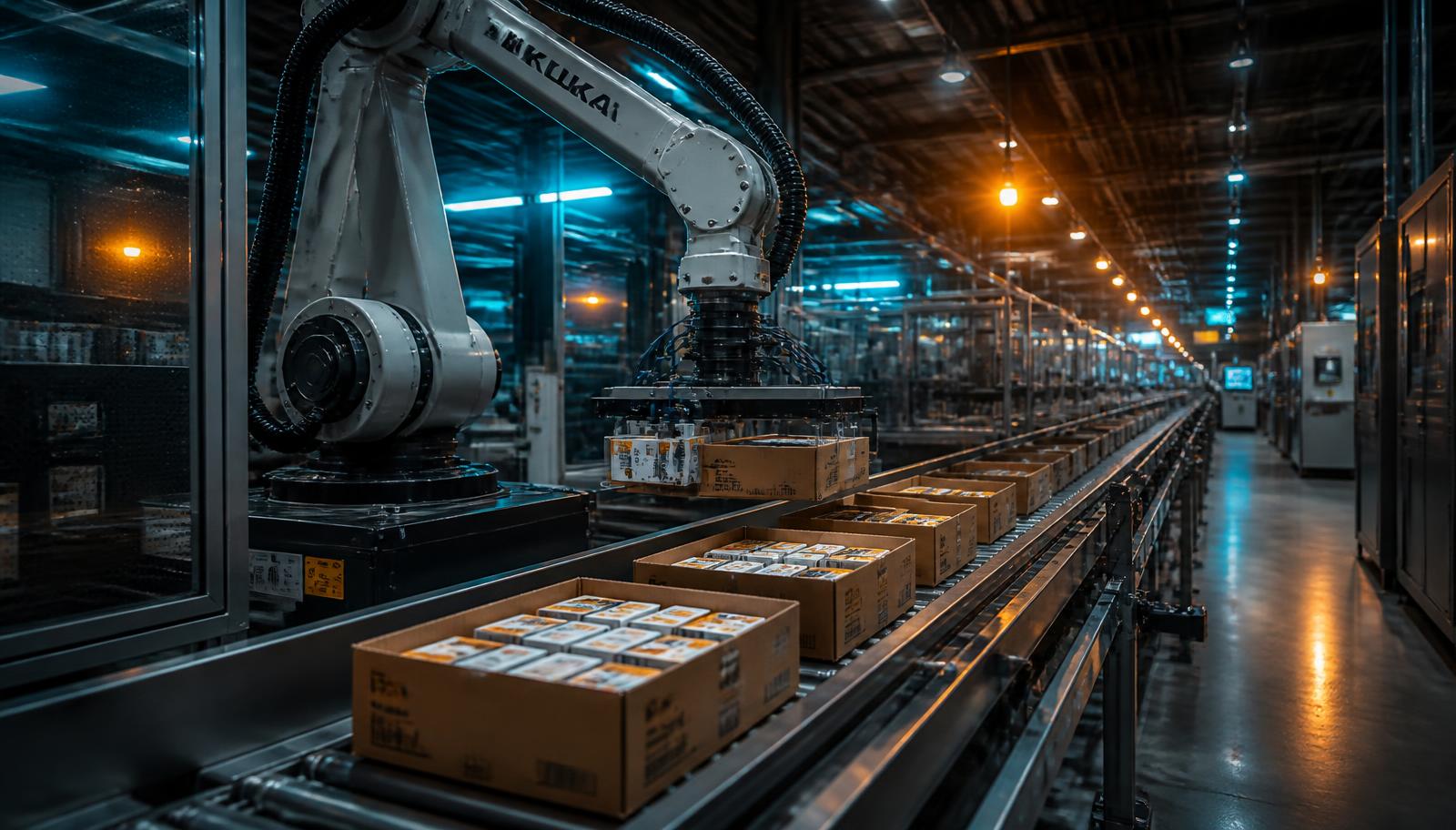
Conveying & material flow
Sensing & inspection
Controls architecture
Safety engineering
Industries
Where this is applied.
- Pharmaceutical and healthcare manufacturing
- Food, FMCG and consumer products
- Tyre manufacturing
- Automotive OEM, Tier-1 and Tier-2 plants
Design inputs
What we need to design the system.
Sharing these upfront lets us respond with a concept instead of a questionnaire.
- Description or video of the current manual operation
- Cycle time expectation and daily volume
- Product variants and tolerance requirements
- Layout drawing with the available footprint
- Utilities, controls standards and safety expectations
Technical FAQ
Questions engineering teams ask us.
Q What is a special purpose automation machine?
A machine designed for one specific manufacturing operation rather than for a general market — built around the product, cycle time, layout and quality requirements of a particular plant.
Q How does a custom automation project start?
With a process study. We observe the operation, measure the cycle, identify the constraint and then propose an automation concept with layout and scope defined.
Q What information should a plant prepare before enquiring?
Layout drawing, product details, current cycle time, daily volume, SKU variants and a photograph or video of the existing operation.
Q Do you integrate with existing plant equipment?
Yes. Most custom systems must handshake with installed machines, conveyors and plant controls, which is defined during the design stage.
Tell us about the operation no standard machine solves.
Send your line layout, product data and current cycle time. We will revert with a preliminary automation concept.